If you want to start building a rental portfolio without jumping into a high-priced market, Massillon deserves a serious look. You need a city where entry costs are still reachable, rent demand is real, and the numbers can make sense if you buy carefully. In Massillon, that combination is possible, but only if you understand the local housing stock, rent ranges, and city rules before you make an offer. Let’s dive in.
Why Massillon Fits Small Investors
Massillon stands out as a relatively affordable rental market in Northeast Ohio. Current sale-price benchmarks place the market roughly in the low-to-mid $100,000s to low-$200,000s, with Redfin reporting a March 2026 median sale price of $171,000 and Zillow reporting a March 31, 2026 median sale price of $194,400. For many buyers, that creates a more accessible starting point than higher-cost markets.
The city also has a meaningful renter base. Census QuickFacts lists 32,168 residents, 14,365 households, a 65.2% owner-occupied rate, and a median gross rent of $862. Massillon’s 2024-2028 Consolidated Plan shows a 63% owner-occupied and 33% renter-occupied mix, which supports the case for long-term rental demand.
What a Massillon Portfolio Can Look Like
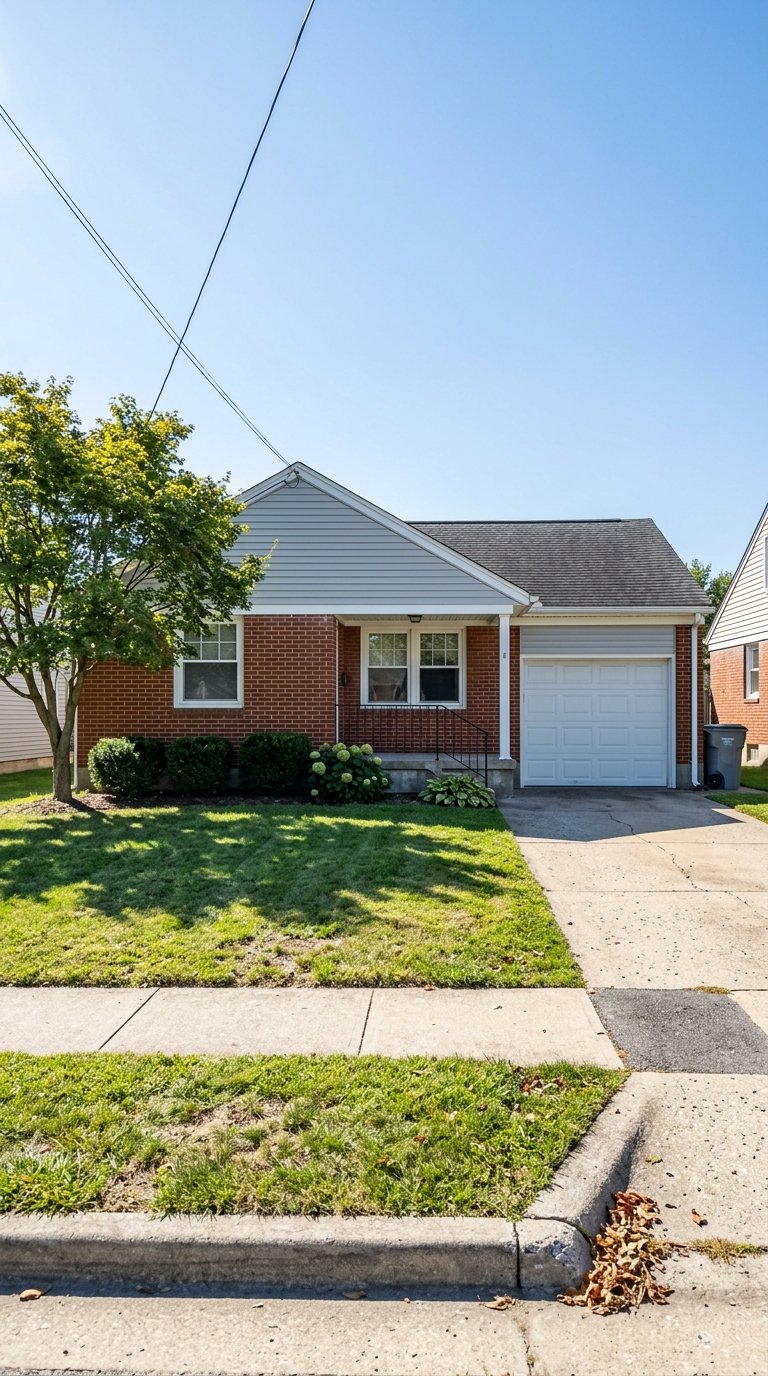
Massillon is not a one-size-fits-all market. You may find a lower-priced home that needs repairs, or you may choose a more expensive property that is closer to rent-ready. Current 3-bedroom listings show that range clearly, from a $119,900 home under 1,000 square feet to listings in the $250,000 to $350,000 range and above.
That spread matters because your portfolio strategy shapes your buy box. If you want to keep your upfront cash lower, you may lean toward value-add properties. If you want faster placement and fewer early repairs, you may prefer near-turnkey homes with a higher acquisition price.
Best Property Types in Massillon
Single-Family Homes Lead
Massillon’s housing mix strongly favors single-family property. The city’s 2016-2020 ACS housing profile shows about 78% of housing units are single-family, while about 10% are 2-4 unit structures, 6% are 5-19 unit structures, and 4% are in buildings with 20 or more units. For most small investors, that makes single-family rentals the clearest first move.
Single-family homes also fit the local inventory profile that many buyers already know. In practical terms, this means you will likely spend more time comparing older houses with different levels of updates than chasing large apartment-style opportunities.
Duplexes and Small Multifamily Matter Too
While single-family homes are the main lane, duplexes and small multifamily properties can still play an important role in a portfolio. They offer another way to spread vacancy risk across more than one unit in the same structure. For investors who want multiple rent streams under one roof, these can be worth a close look.
You still need to be selective. Older condition, deferred maintenance, and local registration requirements can affect your true carrying costs more than the unit count alone.
Focus on 2- to 3-Bedroom Rentals
Massillon’s renter mix gives you a helpful clue about where demand is concentrated. The city plan says 42% of renter-occupied units are 2-bedroom, 26% are 1-bedroom, and 29% are 3-bedroom or larger. That points many buy-and-hold investors toward 2- to 3-bedroom layouts.
If your goal is stable long-term tenant demand, those unit sizes deserve extra attention during your search. They sit in a practical middle ground that matches the local renter profile better than assuming every deal should be a small 1-bedroom or a large premium home.
Underwrite Conservatively in Older Housing
One of the biggest Massillon investing lessons is simple: do not confuse affordable pricing with low ownership cost. The city’s plan says 74% of housing stock was built before 1980, and 39% was built before 1950. That means older roofs, older plumbing, aging electrical systems, and more frequent capital expenses should be part of your math from day one.
This is especially important if a property looks rentable at first glance. Cosmetic updates can hide major system issues, so your budget should include room for repairs and reserves instead of assuming smooth cash flow right after closing.
Value-Add Opportunities Are Real
Massillon’s roughly 10% vacancy rate and the city’s redevelopment focus on vacant parcels and buildings support the idea that some opportunities will be value-add rehabs. That can be attractive if you are comfortable improving a property and holding it long term. It can also create a path to better numbers if you buy well and renovate carefully.
The tradeoff is time, risk, and capital. A lower purchase price only helps if the rehab budget stays realistic and the finished rent level matches the market.
Rent Benchmarks to Watch
Massillon rent data varies by source and by property type, so it helps to treat rent estimates as a range, not a single number. Census QuickFacts shows a median gross rent of $862. Zillow Rental Manager reports an average rental price of $1,095 as of May 28, 2026, while Apartments.com reports an average apartment rent of $867 and an average 3-bedroom apartment rent of $1,201.
Single-family rental listings can run higher. Zillow shows 3-bedroom houses for rent from about $1,050 to $1,800, and Redfin shows a current 3-bedroom, 1.5-bath house listed at $1,300 per month. That is why property type, bedroom count, and condition all matter when you estimate future rent.
Screening Yield in Plain English
If you use Redfin’s $171,000 median sale price and Zillow’s $1,095 average rent, the gross yield is about 7.7%. Using the same purchase price and the Census median gross rent of $862, the gross yield is about 6.0% before taxes, insurance, maintenance, vacancy, and capital expenses. A $1,300 monthly rent on a $171,000 purchase implies about 9.1% gross yield.
These are screening numbers, not final investment conclusions. Still, they help explain why Massillon can appeal to small investors focused on the rent-to-price ratio.
Why Affordability Still Supports Demand
Massillon’s income profile adds useful context. The city’s Consolidated Plan says about 48% of households are at or below 80% of HUD area median family income, and cost burden is identified as a common issue. That does not guarantee rent growth, but it does support the idea that modestly priced, well-kept rentals can serve a durable segment of the market.
This also reinforces why your price point matters. In a market with affordability pressure, chasing the highest possible rent without regard to local demand can create longer vacancy or more turnover.
Taxes Can Change by Parcel
One detail investors should not overlook is property tax variation. Stark County says its official tax estimator can estimate taxes by city, township, school district, or parcel number, and the county tax-rate sheet says assessed value is 35% of market value before district millage and credits are applied. In Massillon, parcels can sit in different school-district tax districts, including Massillon CSD, Perry LSD, Jackson LSD, Tuslaw LSD, and Fairless LSD.
The key takeaway is simple: do not assume taxes based on the city name alone. Verify each parcel before you finalize your numbers, because two properties with similar prices can carry different tax burdens.
Understand Massillon Rental Registration
Massillon requires all non-owner-occupied structures to be registered within 30 days of occupancy. The city ordinance sets registration at $50 for the first unit and $30 for each additional unit in a structure. The city form also shows $50 per single-family rental structure and $50 plus $30 for each additional unit in duplex, multifamily, or commercial structures.
The ordinance also requires transfer registration within 30 days of closing and change-of-information updates within 30 days. In addition, the city form requires a mandatory tenant report to the income tax administrator. These are not details to handle later. They should be part of your acquisition checklist from the start.
A Smart Massillon Due Diligence Checklist
Before you buy, keep your process practical and local.
- Verify the parcel’s tax district before making an offer.
- Use Stark County’s estimator for the likely tax bill rather than a broad average.
- Compare apartment rent benchmarks with current 3-bedroom house rents.
- Budget for city rental registration fees.
- Reserve money for older-home repairs and future capital expenses.
- Pay close attention to roof, HVAC, plumbing, electrical, windows, paint condition, and lead-related risk in older homes.
- Give extra consideration to 2- to 3-bedroom layouts if your goal is steady long-term rental demand.
Build Slowly and Buy Right
The best Massillon rental portfolios are usually built with discipline, not speed. A practical first move is buying one property with a layout and price point that fits local demand, then using real performance data to guide your next purchase. In a market with older housing and mixed condition, careful underwriting often matters more than finding the cheapest listing.
If you want help finding a Massillon rental property that matches your budget and strategy, connect with Aiden Avtgis for responsive local guidance and practical next steps.
FAQs
What makes Massillon appealing for a rental portfolio?
- Massillon offers relatively accessible home prices, a meaningful renter base, and rent-to-price ratios that can work for small investors when deals are underwritten carefully.
What property type is most common for rentals in Massillon?
- Single-family homes are the dominant housing type in Massillon, making them the most common and often the most practical target for small portfolio buyers.
What bedroom counts should investors target in Massillon rentals?
- The local renter mix suggests that 2-bedroom and 3-bedroom properties deserve strong consideration because they align well with current renter-occupied unit patterns.
What should buyers know about older homes in Massillon?
- Much of Massillon’s housing stock was built before 1980, so you should expect more maintenance, larger repair reserves, and careful inspection of major systems before relying on projected rental income.
What rental registration rules apply to Massillon investment property?
- Massillon requires non-owner-occupied structures to be registered within 30 days of occupancy, and transfer registration and information updates must also be completed within the city’s required timelines.
How should investors estimate property taxes in Massillon?
- You should verify taxes by parcel using Stark County’s official estimator because tax burdens can vary by district and should not be assumed from the mailing address alone.