If you are hunting for a flip in Massillon, the cheapest house on the block is not always the best deal. In older parts of the city, the real opportunity often comes from finding a home with solid bones, manageable updates, and a resale path supported by nearby comps. If you know what to watch for, you can avoid expensive surprises and focus on properties with a clearer upside. Let’s dive in.
Why older Massillon homes stand out
Massillon has a large base of older housing, with 15,379 housing units and a median owner-occupied home value of $149,900. That matters because many flip-friendly opportunities show up in long-established areas, not in one catch-all “old neighborhood.”
The city also identifies recognized neighborhood associations such as CHARM, Franklin Village, FANSS/Springhill Settlement, Wellman, and Westbrook. For you as a buyer or investor, that is a reminder to think in terms of micro-areas instead of broad citywide averages.
Another factor is location inside the older core. The Downtown Massillon Historic District was added to the National Register in 2018, and exterior work in designated historic areas may involve oversight from the city’s Historic Preservation Commission. That does not rule out a project, but it does mean your timeline and scope need to be realistic from day one.
Focus on condition, not just age
In Massillon’s older neighborhoods, age alone does not tell you much. A 1920s or 1950s house can be a smart cosmetic project, or it can become a major rehab depending on roof condition, mechanical systems, and exterior maintenance.
Recent sold properties show a wide spread. On the stronger end, homes like 824 1st St NE at $132,000, 1023 Roosevelt St NE at $165,000, and 155 25th St SE at $203,000 sold at prices that suggest retail-ready or well-updated condition. On the distressed end, homes like 161 24th St SE at $29,700 and 319 26th St SE at $40,000 show how steep the discount can get when condition issues are more serious.
That spread is the key lesson. Your job is not to find the oldest house. Your job is to separate cosmetic opportunity from true distress.
What listing photos can tell you fast
Listing remarks and photos in older Massillon blocks often reveal more than the age field in the MLS. According to recent sold listings, stronger resale candidates were often described as fully remodeled or newly updated, with improvements to roofs, HVAC, kitchens, bathrooms, flooring, paint, and parking areas. Lower-end sales were more likely to be described as estate auctions, investment homes, or properties needing customization.
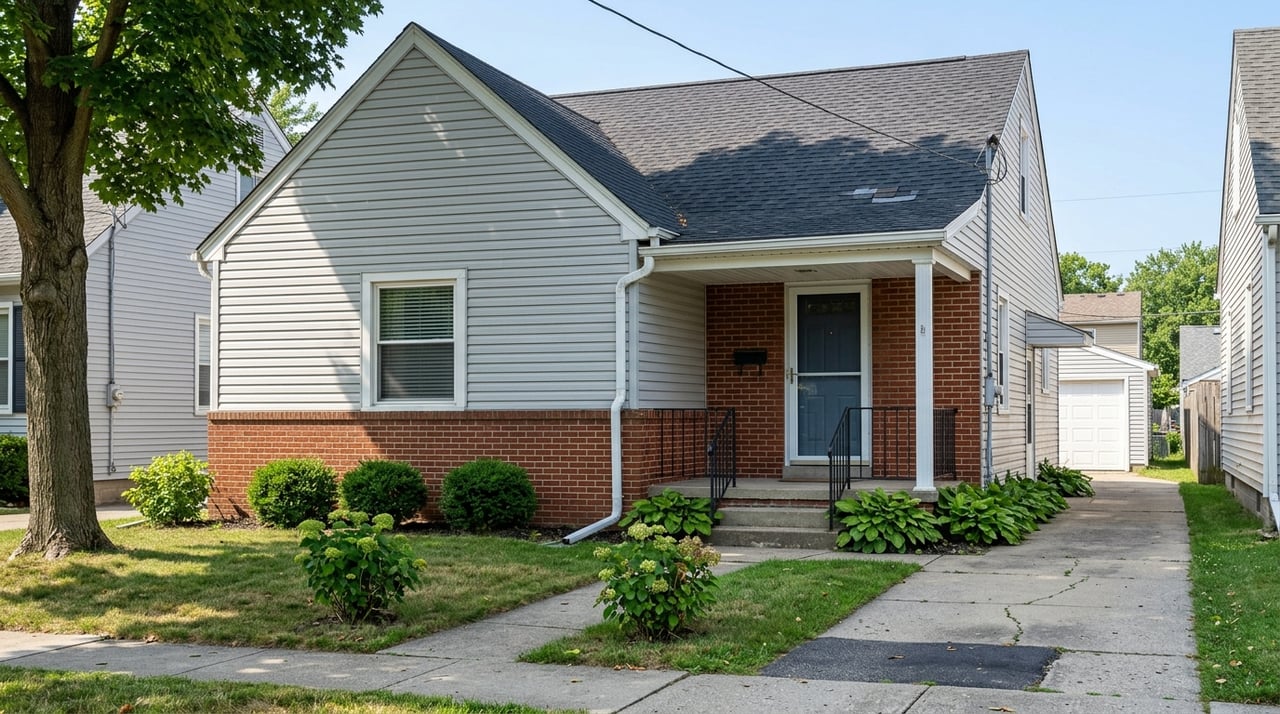
When you review a property online, pay close attention to visible exterior and system clues. In Massillon, that matters even more because the city’s repair and code efforts target many of the same items.
Exterior red flags to check first
Use this quick first-pass checklist when you review photos or visit a property:
- Porch condition
- Railings and steps
- Siding
- Fascia and soffit
- Gutters and downspouts
- Driveway condition
- Sidewalk condition
Those items align closely with repair categories referenced in the city’s 2025 Annual Action Plan. If you see multiple exterior issues at once, your budget may need more room than the asking price suggests.
Interior clues that support a cleaner flip
Inside the house, look for signs that the project is more update than overhaul:
- Consistent flooring and finish quality
- Updated kitchens and baths
- Newer mechanicals mentioned in remarks
- Fresh paint without obvious patchwork
- Evidence of usable layout and functional room flow
A house with dated finishes but solid systems often has a much different risk profile than one with bargain pricing and unclear mechanical history.
Use Massillon-specific due diligence
Massillon has several local rules and resources that should shape your underwriting before you write an offer. The city’s Building Department and Engineering FAQ states that permits are required before construction, reconstruction, alteration, repair, conversion, or demolition. If your project touches the public right-of-way, that work may require its own permit.
The same city guidance notes that contractors are registered, and public right-of-way work generally must be handled by properly licensed and insured contractors. Sewer work is another important point. If a property is within 150 feet of a sanitary line, the owner must connect, and the permit is issued to a licensed contractor rather than the property owner.
These details matter because they affect both cost and timeline. A property that looks inexpensive at first glance can become less attractive if your project requires more licensed work than expected.
Historic review can affect your plans
If the home is in a designated historic area, exterior changes may need a Certificate of Approval through the Historic Preservation Commission. The commission’s role is to preserve historic buildings and avoid incompatible alterations.
For you, that means exterior work should be reviewed carefully before you assume a fast cosmetic turnaround. Window changes, façade updates, and other visible modifications may require extra coordination.
Public investment can support stability
Massillon’s Community Development programs and the city’s 2025 Annual Action Plan show active attention to housing stabilization, code enforcement, and owner-occupant rehab support. These programs are not direct flip financing tools, but they do signal that some older blocks are seeing public effort aimed at preserving housing condition.
The city also references a target area map tied to HUD/QCT-based programs. For an investor, that can be useful context when deciding where neighborhood support and buyer demand may be more durable.
How to estimate ARV in older Massillon areas
After-repair value, or ARV, is where many flip deals are won or lost. In Massillon’s older neighborhoods, the biggest mistake is anchoring value to the cheapest sale nearby rather than to the likely finished-product comp set.
A practical process is to use 3 to 6 sold comps from the same micro-area over roughly the past 3 to 12 months. Match for square footage, bed and bath count, lot character, and most importantly, finish level. Do not mix auction-level distress sales into your comp set unless your subject property will compete at that same level.
What recent comps suggest
Recent sold homes in older Massillon blocks show a tighter retail range than the raw low-end sales might suggest:
- Mid-range older-core sales included 824 1st St NE at $132,000, 1023 Roosevelt St NE at $165,000, and 375 25th St SE at $163,000
- Better-finished resales included 155 25th St SE at $203,000, 1919 Vermont Ave SE at $193,000, and 349 25th St SE at $193,000
- Lower-priced but still retail sales included 1051 Oakwood Ave NE at $101,200 and 1933 Massachusetts Ave SE at $106,000
Using the nine-comp sample from the research, the average sale price is about $165,167 and the median price per square foot is about $115. For a 1,400-square-foot finished house, that points to a simple median-based ARV near $161,000.
If the home can compete with the stronger finished sales at about $136 to $158 per square foot, that same 1,400-square-foot property could justify a range of about $190,400 to $221,200. That difference is why finish quality, scope control, and comp selection matter so much.
A practical flip screen for Massillon
If you want a faster way to narrow the field, use this simple screen before you get too deep into a property.
Green-light signs
- Older home in a recognized, established part of Massillon
- Exterior wear that looks repairable, not catastrophic
- Listing remarks that suggest updates to roof, HVAC, kitchen, or bath
- Nearby retail-ready comps in the same micro-area
- Scope that appears mostly cosmetic or moderate
Caution signs
- Auction or estate-sale language with limited property detail
- Obvious exterior neglect across several categories at once
- Unclear sewer, right-of-way, or permit issues
- Historic-area exterior plans without review of approval needs
- ARV based mostly on distressed or outlier comps
A good deal in Massillon often sits in the middle. It is not always the prettiest house, and it is not always the cheapest. It is the one where the repair scope, local rules, and resale comps line up clearly enough to support your margin.
Why local guidance helps on these deals
Older neighborhoods reward careful analysis. Small differences in block, finish level, permit needs, and resale competition can change the numbers fast. If you are trying to sort through potential flips in Massillon, working with an agent who understands both the listing side and the investor side can save you time and help you avoid bad assumptions.
That is especially true when you need to move quickly on a property, pressure-test comps, or compare one older-pocket opportunity against another. If you want help identifying flip-friendly homes in Massillon and evaluating what the numbers really support, connect with Aiden Avtgis for responsive, practical guidance.
FAQs
What makes a home in Massillon flip-friendly?
- A flip-friendly home in Massillon usually has sound structure and mechanical potential, repairable exterior issues, and nearby sold comps that support a realistic after-repair value.
How should you estimate ARV for an older Massillon house?
- Use 3 to 6 recent sold comps from the same micro-area, match the finish level closely, and avoid using distressed auction sales unless your subject property is similarly distressed.
Do older homes in Massillon always need major rehab?
- No. Some older homes only need cosmetic updates, while others need more extensive work, which is why roof, HVAC, exterior condition, and listing language matter more than age alone.
Do you need permits for rehab work in Massillon?
- Yes. The city states that permits are required before construction, reconstruction, alteration, repair, conversion, or demolition, and some right-of-way work needs separate permitting.
Can historic district rules affect a flip in Massillon?
- Yes. If a property is in a designated historic area, certain exterior changes may require review and approval through the Historic Preservation Commission.
Are city housing programs in Massillon available for flippers?
- The city’s rehab and repair programs are aimed at qualifying owner-occupants, but they can still signal neighborhood stabilization efforts that may support resale demand in some areas.