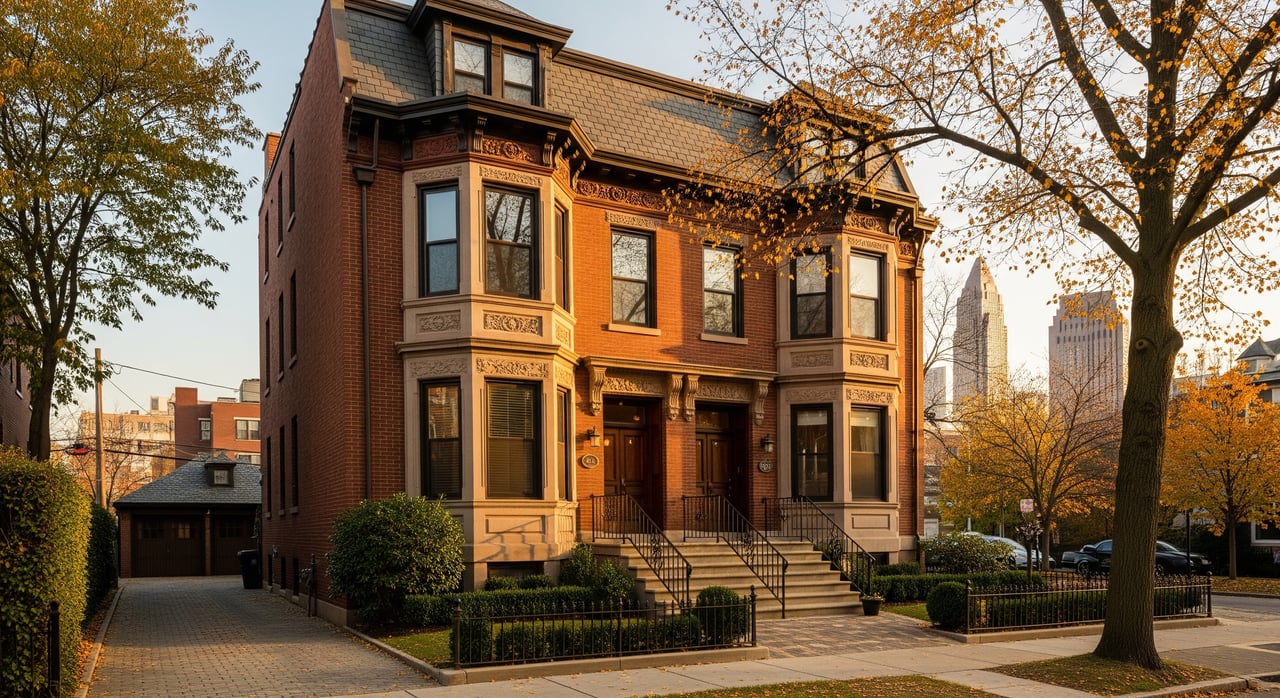
Looking at Cleveland duplex listings and wondering which ones will actually cash flow? You’re not alone. Cleveland is full of small multi-family opportunities, but the numbers change block by block and building by building. In this guide, you’ll learn the exact formulas, local data sources, and a step-by-step workflow to analyze any 2–4 unit deal with confidence. Let’s dive in.
Cleveland market context that matters
Cleveland’s rental demand is tied to stable anchors like Cleveland Clinic, University Hospitals, and Case Western Reserve University. Neighborhoods near major employers and amenities such as University Circle, Midtown, Ohio City, Tremont, and the Downtown/Flats area often see steady interest from renters. Use commute times and employer proximity as quick demand signals when comparing locations.
Price trends are steady but neighborhood-specific. Citywide stats help, but they can hide big micro-differences. Focus on recent duplex and small multi-family sales in the same neighborhood and condition range. Pull comps from the last 6–12 months and validate days on market to gauge competitiveness.
Vacancy varies by property type and location. Start with neighborhood-level estimates from the U.S. Census’ Census QuickFacts for Cleveland, then check in with a local property manager for a reality check on current leasing velocity. HUD’s Fair Market Rents for the Cleveland-Elyria MSA offer a baseline rent ceiling you can use for sanity checks.
Core metrics you must know
Gross Scheduled Rent (GSR)
- What it is: The total annual rent if all units are leased at market rent.
- Why it matters: It sets the starting line for income modeling.
- Quick tip: If current rents are below market, estimate achievable market rent for each unit.
Vacancy and credit loss
- Formula: Vacancy allowance = GSR × expected vacancy rate.
- Typical starting point: 5–10% in stable areas. Adjust up for softer pockets or older units with slower turns.
- Why it matters: It turns theoretical rent into realistic collected income.
Effective Gross Income (EGI)
- Formula: EGI = GSR − vacancy allowance + other income.
- Other income: Parking, coin-op laundry, storage.
- Why it matters: It is the base for your expense ratio and NOI.
Operating expenses
- Common line items: Property taxes, insurance, owner-paid utilities, maintenance, management, legal/accounting, reserves.
- Rule of thumb: 35–50% of EGI for small multis, but verify line by line.
- Local watch-outs: Confirm tax history and assessments through the Cuyahoga County Auditor real property search. Older buildings can mean higher maintenance and insurance costs.
Net Operating Income (NOI)
- Formula: NOI = EGI − operating expenses.
- Note: NOI is before debt service and before income taxes.
- Why it matters: It is the foundation for cap rate and valuation.
Capitalization rate (cap rate)
- Formula: Cap rate = NOI ÷ purchase price.
- Interpretation: Your unlevered return. Higher caps often reflect higher perceived risk or lower prices.
- How to use: Compare to implied cap rates from recent 2–4 unit sales in the same neighborhood and condition tier.
Cash flow (before taxes)
- Formula: Cash flow = NOI − debt service.
- Why it matters: It is the practical monthly income after your mortgage.
- Sensitivity: A single vacant unit can swing a duplex from positive to negative. Stress-test with a vacancy scenario.
Gross Rent Multiplier (GRM)
- Formula: GRM = Purchase price ÷ GSR.
- Use case: Quick screen to filter listings before deeper analysis.
- Caveat: GRM ignores expenses and capital costs. Never use it alone.
Cash-on-cash return
- Formula: Annual pre-tax cash flow ÷ total cash invested (down payment and closing costs).
- Why it matters: It shows return on your actual dollars in the deal.
- Tip: Compare across different financing terms to see what structure wins.
A quick numeric example
- Example setup: A duplex at $200,000 with two 2-bed units at $1,100 each. GSR = $26,400.
- Vacancy at 7%: $1,848. EGI = $24,552. Other income is $0 in this example.
- Operating expenses at 40% of EGI: $9,821. NOI = $14,731. Implied cap rate = 7.37%.
- If you finance with 20% down at a market rate, plug in your lender quote to calculate debt service and cash flow.
Step-by-step: From MLS to offer
1) Gather essential facts
- MLS details: List price, unit mix, beds/baths, square footage, year built, occupancy, lease terms, and current collected rents.
- County records: Verify parcel data, assessed value, tax history, and prior sales using the Cuyahoga County Auditor real property search.
- Licensing: Confirm rental registration and inspection status with the City of Cleveland Building and Housing.
- Zoning: Make sure the parcel allows multi-family and that parking requirements are satisfied.
2) Build market rent estimates
- Start with HUD’s Fair Market Rents for the Cleveland-Elyria MSA for baseline checks.
- Compare to current neighborhood listings for similar unit types.
- Validate with a local property manager’s opinion when possible.
- Set your GSR from realistic, achievable rent per unit.
3) Estimate vacancy and other income
- Use 5–10% as a baseline for stable blocks and adjust based on unit condition and leasing ease.
- Add parking, laundry, or storage revenue if applicable.
- Produce EGI that reflects how the property will operate for you, not just for the seller.
4) Build an expense budget
- Taxes: Pull the most recent bills and check for levies on the Auditor site. Model a post-purchase reassessment if the sale price jumps.
- Insurance: Get quotes early. Older buildings or code items can push premiums higher.
- Utilities: Confirm separate meters. If shared, budget for owner-paid utilities or potential conversion costs.
- Management: Many Cleveland managers charge 8–12% of collected rent for small multis.
- Maintenance and reserves: Budget 1–3% of property value per year plus a capital reserve for roof, HVAC, and big-ticket items.
5) Benchmark with comps and caps
- Pull 2–4 unit sales from the last 6–12 months in the same neighborhood and similar condition.
- Calculate implied cap rates from those sales and compare to your subject property.
- If the subject’s implied cap is well below the local comp range, your price may be too high or your expenses too low.
6) Model financing and stress-test
- Compare scenarios: conventional portfolio loan, FHA if you qualify and the property meets requirements, or cash.
- Stress-test vacancy, rent growth, interest rate, and repair costs. See where cash flow turns negative.
- Use simple calculators for quick what-ifs. Tools like Investopedia’s cap rate primer and BiggerPockets rental calculators can help you sanity-check assumptions.
Legal and operating details that move the numbers
- Rental registration and inspections: Cleveland requires registration and periodic inspections for rentals. Confirm status with Building and Housing. Noncompliance can lead to fines and leasing delays.
- Landlord-tenant law: Review Ohio’s rules on deposits, notice periods, and remedies in the Ohio landlord-tenant statutes. A local attorney or manager can explain current timelines and court practices.
- Lead-based paint: For pre-1978 properties, follow federal disclosure rules and hazard management under HUD lead-based paint guidelines. Lead issues can affect insurance, timelines, and rehab costs.
- Taxes and assessments: Monitor upcoming levies. Changing assessments after a sale can increase your operating expenses.
- Utilities and meters: Separate gas and electric meters simplify billing and reduce disputes. Conversions may require permits and capital.
- Zoning and parking: Confirm legal use and parking compliance before you waive contingencies.
- Neighborhood risk checks: Use the Cleveland Open Data portal to review public safety datasets and look for planned development updates via city resources.
Quick screening checklist for MLS listings
- Verify unit count, unit mix, and current rent roll with lease copies if available.
- Estimate market rent per unit and compute GSR.
- Apply a conservative vacancy rate and calculate EGI.
- Build an expense stack: taxes, insurance, utilities, management, maintenance, reserves.
- Compute NOI and implied cap rate versus list price.
- Model cash flow based on realistic financing terms.
- Compare cap rates and GRMs to recent nearby comps.
Decision rule: If implied cap is below the recent neighborhood range and cash-on-cash is negative under realistic financing, flag for deeper diligence or pass.
On-site tour checklist
- Exterior and structure: Roof age and condition, gutters, drainage, foundation, porches, steps, and siding.
- Mechanical systems: Furnace and AC age, water heaters, electrical panels, wiring type, and meter setup.
- Inside units: Layouts, natural light, egress, kitchens, baths, flooring, and signs of moisture or pests.
- Safety items: Smoke and CO detectors, stair and handrail safety, egress windows.
- Laundry and parking: Equipment condition and parking availability.
- Leases and deposits: Request leases, deposit ledgers, and payment histories.
- Code and permits: Ask for inspection reports, certificates of occupancy, and any open violations.
Post-tour verification
- Order a professional inspection and review repair bids.
- Pull tax bills and parcel history from the county.
- Verify rent roll with bank statements when possible.
- Get insurance and property management quotes.
- If financing, confirm the lender’s appraisal assumptions for small multis.
When to walk and when to write
You should move on if the property’s cap rate sits below recent neighborhood sales and your cash flow is negative after reasonable financing assumptions. You should write an offer if your stress-tested numbers still hold with a vacancy or repair swing and the implied cap rate aligns with similar recent sales. Make your offer terms reflect your findings, including inspection and documentation contingencies.
Ready to evaluate your next duplex with clarity and speed? For live comps, neighborhood nuance, and quick showings across Northeast Ohio, connect with Aiden Avtgis. Request a tour and put strong numbers behind your next offer.
FAQs
What is a good cap rate for a Cleveland duplex?
- It depends on the neighborhood and condition; calculate the subject’s NOI and compare its implied cap rate to recent 2–4 unit sales nearby to see if pricing is fair.
How do I estimate market rent for a Cleveland duplex?
- Use HUD’s Fair Market Rents for the Cleveland-Elyria MSA as a baseline, then check similar local listings and verify with a Cleveland property manager.
What vacancy rate should I use in my analysis?
- Start with 5–10% for stable areas, then adjust based on unit condition, leasing demand, and neighborhood feedback from managers or Census data.
Which expenses do investors often miss in Cleveland?
- Post-sale property tax changes, owner-paid utilities on shared meters, adequate maintenance reserves for older systems, and management fees in the 8–12% range.
What financing options work for small multis in Cleveland?
- Compare conventional portfolio loans, FHA if you qualify and plan to occupy, and cash; model multiple scenarios and stress-test vacancy, rates, and repairs.